Solutions · Tree Planting in Africa

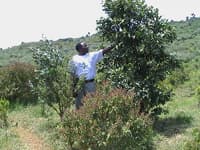
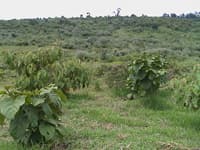
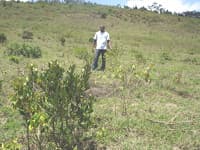
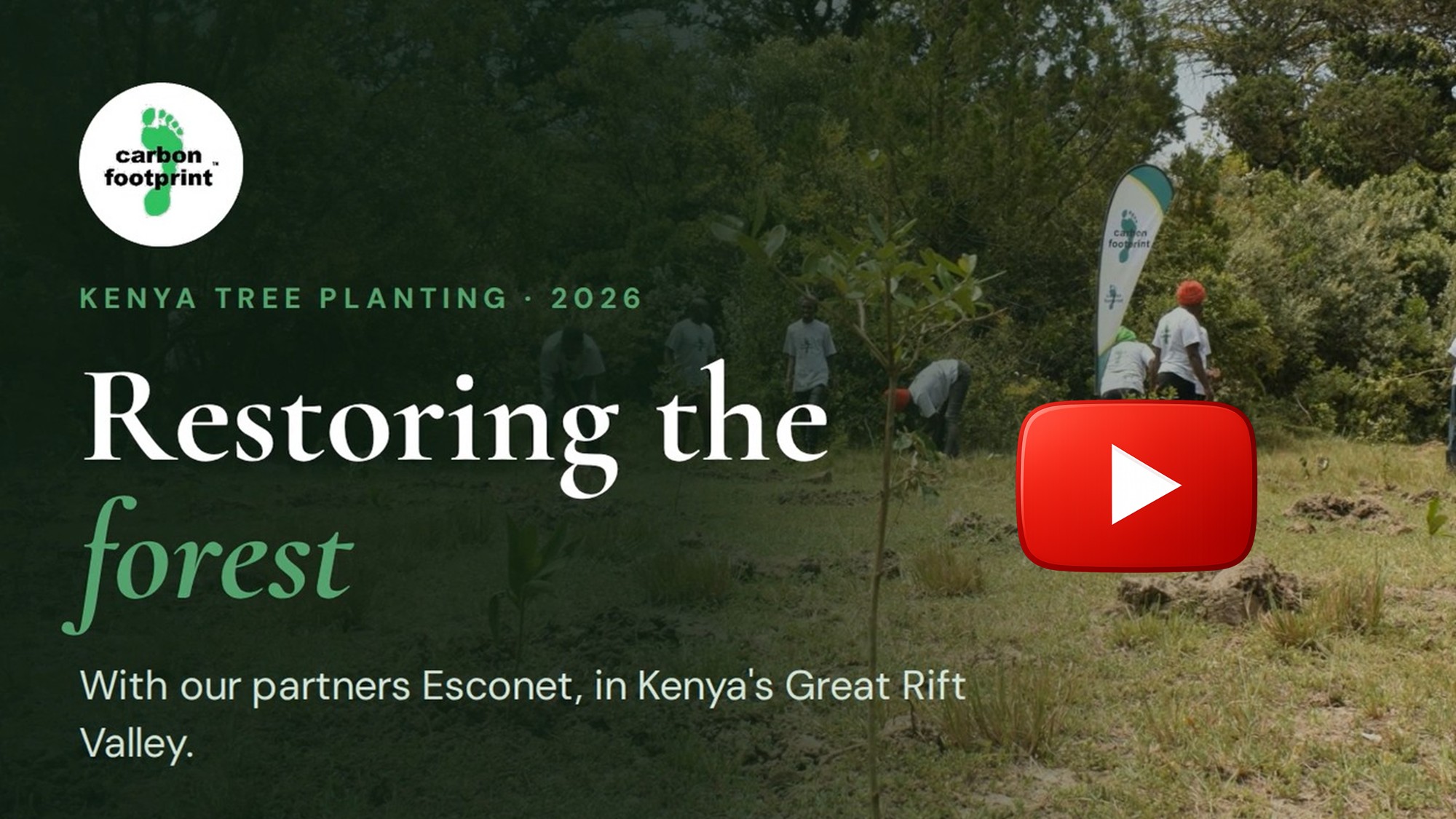
Kenya tree planting in the Great Rift Valley

Fund native tree planting on the Kikuyu escarpment in Kenya's Great Rift Valley, where our local project team has been restoring the forest since 2005 and has planted 70,000 trees so far in 2026. Choose trees on their own from £3 + VAT, or Tree Buddying at £9.50 + VAT, which pairs every tree with one tonne of CO2 saved through a VCS-certified project.
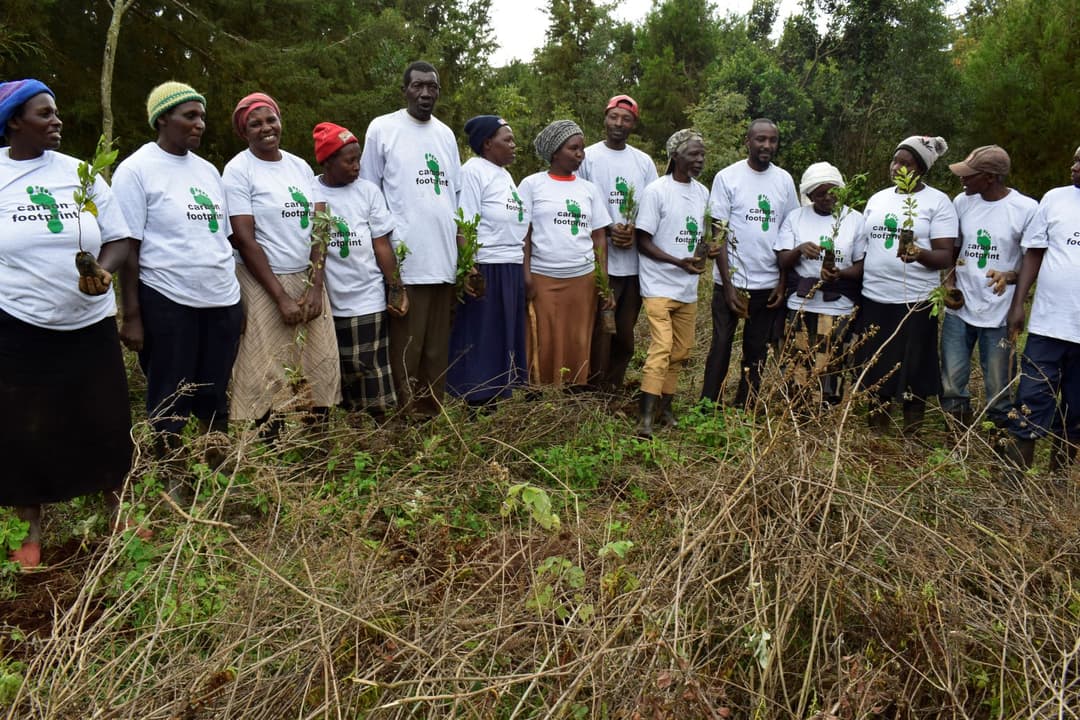
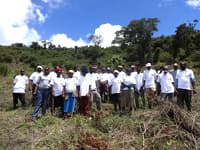
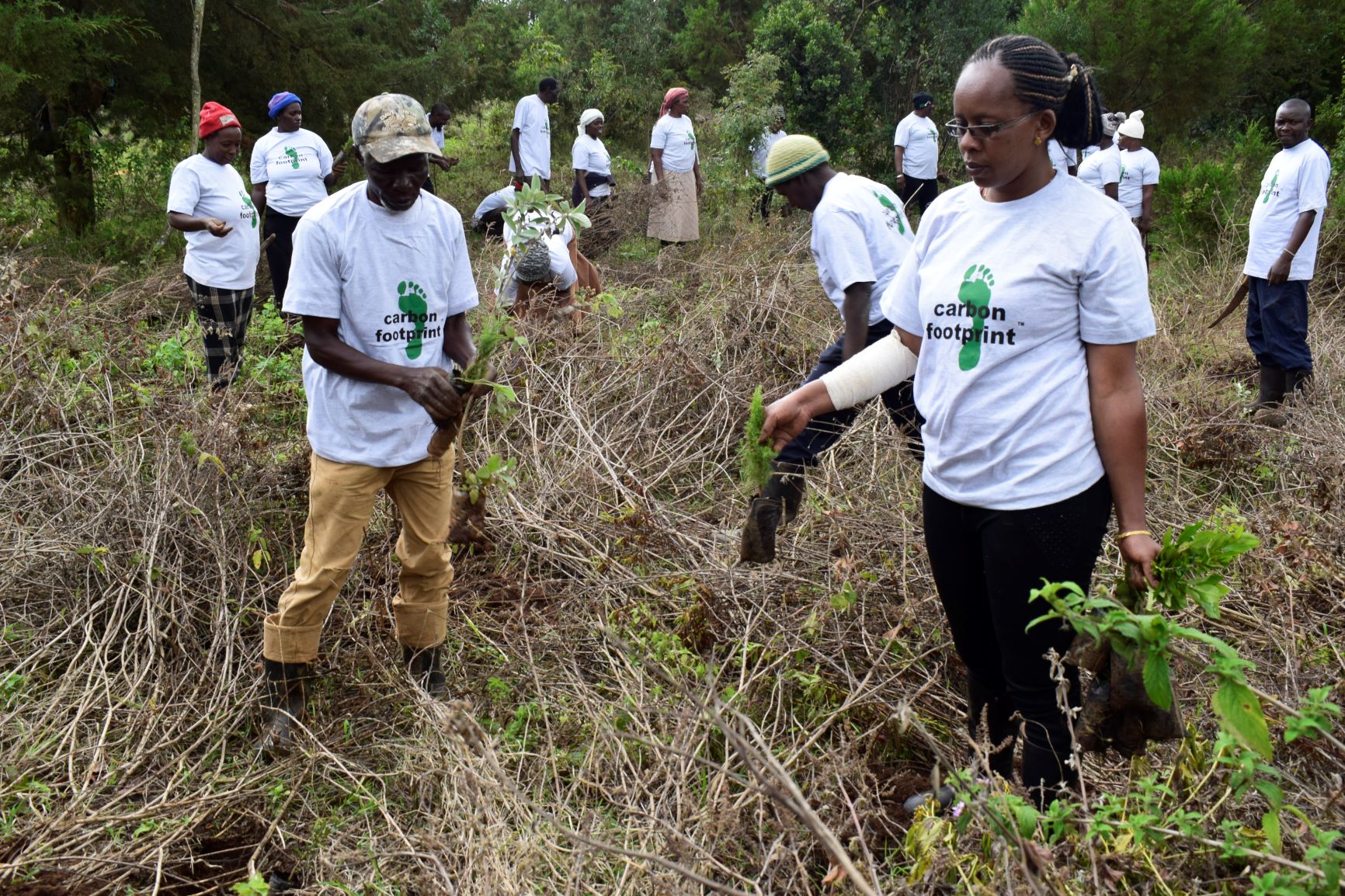
Community tree planting team in Kenya's Great Rift Valley
Tree planting, biodiversity and community impact

Project updates from Kenya

Reports, photos and videos from project leader Mburu Waiganjo and the team on the ground, newest first.

Kenya tree planting - 2026 update

2026 trees update

The 2026 season began with the October to December short rains extending into January, allowing the team to plant 30,000 trees. After a short lull, the long rains resumed in March. They were erratic at first but improved through May, June and July, and a further 40,000 trees were planted, bringing the total so far this year to 70,000.

Another 50,000 seedlings are ready in the nurseries for the October to December short rains, when El Niño conditions are forecast.

The team continues to return to earlier planting areas to replace trees lost to drought and browsing, particularly in the lower dry forest, where restored habitat has brought wild herbivores back. Project leader Mburu Waiganjo sees their return as a clear sign that a vital function of the forest ecosystem is being restored.

Plant a tree

Tree planting in Kenya with lasting value

This programme is designed for supporters looking to fund credible tree planting in Africa while backing tangible climate, biodiversity and community outcomes.

Over 100,000 trees a year

We fund around 10,000 trees a month in Kenya. In 2026 the team has planted 70,000 trees so far, with 50,000 more seedlings ready for the October to December rains.

Great Rift Valley restoration

Tree planting helps restore habitats in one of Kenya's most important landscapes, supporting biodiversity, soil protection and healthier ecosystems.

Community-centred delivery

Local nurseries, planting teams and long-term stewardship create jobs, skills and wider benefits for the communities involved.

Why plant trees in Kenya?

Kenya's forests cover just 8.8% of its land, below the 10% minimum set in the country's 2010 constitution, and that figure has not moved since 2021. Forests protect water catchments, hold soil in place and shelter wildlife, and their loss adds to the floods, droughts and unpredictable weather that Kenyan communities increasingly face.

The Kenyan government has set a goal of 30% tree cover by 2032, restoring 10.6 million hectares of degraded land by planting 15 billion trees. Progress is well behind schedule. That is why community-led projects like ours matter: they plant, protect and replace trees on the ground, season after season.

Your support also goes further in Kenya. Each tree costs less to plant than in the UK, and the benefits reach local people directly, through jobs and income for families living alongside the forest they are restoring.

Sources: Kenya National Forest Resources Assessment 2021; Kenya National Bureau of Statistics, Economic Survey 2026.

What your funding makes possible

Contributions to our Kenya tree planting programme help us grow and establish native broad-leaved trees, prepare sites for planting and protect young trees as the project develops.

•Raise healthy seedlings in community nurseries and move them to site at the right planting time.
•Restore degraded land in Kenya's Great Rift Valley with species suited to the local environment.
•Support local people with practical work, environmental education and long-term care of the planted area.
Community tree planting activities in Kenya

Native trees for the Kikuyu escarpment

We plant indigenous species that belong in this forest, restoring its natural mix. Seedlings are raised in community nurseries and planted during Kenya's two rainy seasons: the long rains from March to July and the short rains from October to December.

Acacia xanthophloea · Murera Rhus natalensis · Muthigio Juniperus procera · Mutarakwa Tarchonanthus camphoratus · Muriricua Prunus africana · Muiri Teclea nobilis · Munderedu Markhamia lutea · Muu Croton megalocarpus · Mukinduri Brachylaena huillensis · Muhugu Polyscias kikuyuensis · Mutati Warburgia ugandensis · Muthiga Euclea divinorum · Mukinyai Olea africana · Mutamaiyu Cordia africana · Muringa Calodendrum capense · Murarachii Dombeya goetzenii · Mukeu Syzygium guineense · Mukoe

They include medicinal trees such as Prunus africana and Warburgia ugandensis, whose bark has been heavily stripped from the forest, and Dombeya goetzenii, known locally as "bee's love", which supports the community's honey production.

Planting is only the start. Where young trees are lost to drought or to browsing by returning wildlife, the team goes back and replants, so restored areas keep filling in. The return of wild herbivores to the lower dry forest is one of the clearest signs the restoration is working.

Kenya tree planting prices

Simple per-tree pricing. All prices exclude VAT.

🌳

Trees on their own

£3 + VAT per tree

Fund native trees planted by our community team on the Kikuyu escarpment. Trees on their own support reforestation, wildlife and local livelihoods, but are not a carbon offset.

Buy on COMP
🌍

Tree Buddying

£9.50 + VAT per tree

One native tree planted in Kenya plus one tonne of CO2 saved through a VCS-certified project, so your contribution delivers a verified carbon saving now. Download your certificate on purchase.

Buy Tree Buddying on COMP
🤝

Larger programmes

Tailored quote

Planting thousands of trees, or building tree planting into a customer campaign, product or corporate gift? Talk to us about volume sponsorship and campaign support.

Talk to our team

Can Kenya tree planting offset your emissions?

Trees are one of the best long-term carbon stores on the planet, but a newly planted sapling absorbs very little CO2 in its first years. Most of its carbon uptake happens over decades as it matures, so it can't be counted against the emissions your organisation produces today.

That is why we created Tree Buddying. For every Tree Buddying tree, one tonne of CO2 is also saved through an internationally certified VCS project. The VCS tonne provides the verified carbon saving now; your Kenya tree adds long-term carbon storage as it grows, along with habitat and community benefits.

If you refer to Kenya tree planting in environmental claims, base any carbon figure on the VCS tonne rather than on the trees. Find out how Tree Buddying works.

Through our Kenya tree planting programme you help:

Plant Trees in Kenya Compare with UK Tree Planting

A livelihood from restoring the forest

In August 2026, long-serving team member Ndegwa retired from the project. At his farewell, he described what the work had meant for him and his family.

"I earlier thought that we could only get firewood and illegally cut logs to build or sell to get an income. We were damaging the forest and risking our lives trying to make a few coins. Carbon Footprint through Esconet gave us environmental education and recruited us to become friends of our forest. I now had new hope in life as I started earning a very good income planting trees and protecting the forest from further damage."

Ndegwa, retired ESCONET project team member, August 2026

His son has now taken over his role in the planting team, working alongside his mother, and Ndegwa continues as a community elder advising on forest conservation.

Gallery from past planting events

Planting days, wildlife and the growing forest on the Kikuyu escarpment.

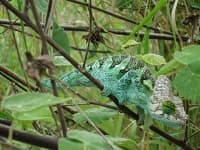
Chameleon in the young forest, Kenya, December 2013
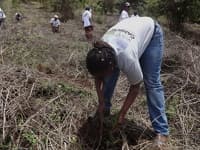
Tree planting team in Kenya, September 2012
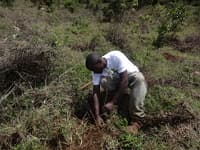
Planting seedlings in Kenya, September 2012
Tree planting in Kenya, March 2011
Planting day in Kenya, November 2013
Chameleon on a planted tree in Kenya
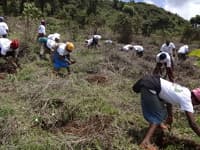
Community planting team in Kenya, November 2013
Young trees on the planting site in Kenya, November 2013
Planting on the Kikuyu escarpment, Kenya, November 2013
Happy planters from the Kenya project team
Bird's nest in a planted tree in Kenya
Tree seedlings ready for planting in Kenya

Kenya tree planting questions

How much does it cost to plant a tree in Kenya?

Trees on their own cost £3 + VAT per tree. Tree Buddying costs £9.50 + VAT per tree and pairs every tree with one tonne of CO2 saved through a VCS-certified project.
Can I plant trees in Africa with Carbon Footprint Ltd?

Yes. Our African tree planting programme is in Kenya, on the Kikuyu escarpment in the Great Rift Valley in East Africa. You can fund native trees from £3 + VAT, or choose Tree Buddying at £9.50 + VAT to pair each tree with one tonne of CO2 saved through a VCS-certified project.
Where in Kenya are the trees planted?

On the Kikuyu escarpment in Kenya's Great Rift Valley, where charcoal burning, logging and overgrazing have degraded a forest that local communities depend on for water and livelihoods. The project has been restoring this forest since 2005.

How many trees do you plant in Kenya?

We fund around 10,000 trees a month, over 100,000 a year. In 2026 the team has planted 70,000 trees so far, with 50,000 more seedlings ready for the October to December short rains.

Which tree species are planted?

Native species that belong in the Kikuyu escarpment forest, including Prunus africana, Juniperus procera (African pencil cedar), Olea africana (African wild olive), Croton megalocarpus, Warburgia ugandensis and Cordia africana. Seedlings are raised in community nurseries and planted during the long rains (March to July) and the short rains (October to December).

What happens if planted trees die?

The project team regularly returns to earlier planting areas to replace trees lost to drought or to browsing by wildlife, particularly in the lower dry forest, where restored habitat has brought wild herbivores back.

Who plants the trees?

A local community project team, ESCONET, led by project leader Mburu Waiganjo. The team runs the tree nurseries, prepares the sites, plants the trees and cares for them as they establish, providing employment, skills and income for local people.

Does planting trees in Kenya offset my carbon footprint?

Not on their own in the short term, because young trees absorb carbon slowly over decades. With Tree Buddying, every Kenya tree is paired with one tonne of CO2 saved through a VCS-certified project, which provides the verified carbon saving. Trees bought on their own support reforestation, wildlife and local communities, but are not a carbon offset.

Should I plant trees in Kenya or the UK?

Kenya planting costs less per tree and restores a degraded forest that local communities rely on. UK planting uses cell-grown native trees in the region of your choice across England, Scotland and Wales, and offers corporate tree planting days. Many organisations support both.

Do I get a certificate?

Yes. When you buy trees through our Carbon Marketplace (COMP), you can download a certificate to share with customers, staff and stakeholders.

Ready to plant trees in Kenya?

Plant trees from £3 + VAT, or choose Tree Buddying at £9.50 + VAT to pair every tree with a verified VCS tonne.

Plant Trees Now → Explore All Tree Planting